
Until the 1960s, eggs were transported in cardboard egg cartons. The trend for plastic, which took over everything in those years, led to widespread use of this material in all kinds of objects. Colored plastic egg carriers then appeared and became very fashionable. Those who were children in those years will remember taking their plastic egg carrier down to the shop to buy eggs. They will also remember that eggs rattled around in those compartments and more than one would break.

As the years passed, eggs stopped being sold loose, so household plastic egg carriers lost their purpose and became “vintage” objects. Then eggs packed in six-egg plastic cartons appeared on grocery store shelves. These cartons were—and in some cases still are—wrapped in paper to provide information about the contents and protect them.

However, at present, and mostly, eggs arrive packed in boxes of pressed paper containing six or ten eggs. In other words, the years have passed and the press paper continues to be shown as the best system for packing and transporting eggs. Not only does it protect them from shocks, but in case an egg breaks or cracks the cardboard absorbs moisture and prevents it from reaching the other eggs in the container. It is also an economic and recyclable material.

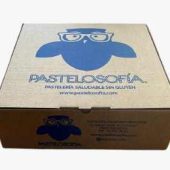
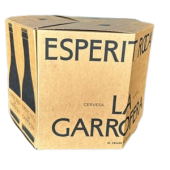
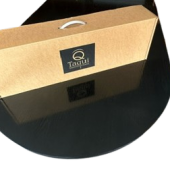
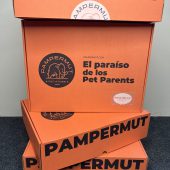
At FX we take one more step and manufacture corrugated cardboard boxes that protect eggs with pampering. Custom egg boxes to the taste of the customer and fully adapted to your needs. We know that there are eggs that deserve to be protected by high quality boxes and that is why we manufacture them.

For years, cardboard boxes had another function for which they had not been created, acoustic insulation. How many youthful rooms were not lined with cardboard egg cartons to prevent the volume of music from coming out of the walls! And not only rooms, but they were also used in bars or music venues. Although many insulating materials have appeared, we are sure that today there are those who continue to use them for this purpose.