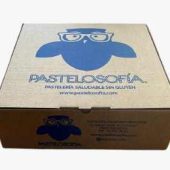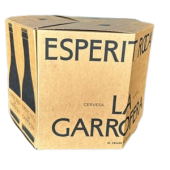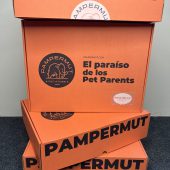

Steps required for the design of organic packaging
1. Decide on packaging layers
The packaging of the product has three layers, namely internal, external and product packaging. You may need one or all three depending on the type of product.
– The inner packaging keeps your product safe and snugly in place.
– Your outer packaging is the first thing your customer will see. It protects your products from external elements. It may be the cardboard box the product is shipped in or the shopping bag used to hold the item in your store.
– The product packaging is what your customers will remember your product by. It is the bag holding coffee beans, the wrapper of a chocolate bar or the label on a garment.

2. Gather content materials
Have all the content you need ready before you start your design. The materials you may need are the following:
– Text: decide what text you need for your packaging. This includes your brand name and a compelling product description that catches your customers' attention and encourages them to buy.
– Images: decide what type of images you want on your product.
– Required information: this may include nutritional information, industry marks and barcodes. These will depend on the standards imposed by official bodies in your sector.
– Brand requirements: elements such as your brand's colours, fonts and logo are important for creating packaging with an appearance consistent with your brand's identity and aesthetic.
.

3. Choose your packaging type
Determining the type of packaging that best suits your product can be a difficult decision to make. Here are some factors to consider during the selection process:
– Product: packaging always revolves around the product in question. Cardboard boxes are always an option worth considering.
– Competition: choose a packaging material that sets you apart from other brands in your sector, bearing in mind what will be most convenient for your customers. After all, your packaging can affect people's experience of your brand. Make sure it is reusable or recyclable.
– Budget: your packaging idea must be realistic for your budget. Consult our technical team to find recyclable options that suit your budget and product requirements.
4. Identify the centerpiece of your design
Create an information architecture that will focus on the message you want your customers to remember about your product. A remarkable slogan that captures the values of your company or a fabulous graphic illustration that shows how to use it can be very useful. When a buyer sees your packaging, he'll only remember one thing. What will be that added value? That should be the dominant theme of your packaging design. Make that added value the dominant theme you will notice when choosing your product.

5. Evaluate your design
After designing your packaging design, the next thing you have to do is evaluate its value and effectiveness. The following are some questions to consider:
Do you clearly present your product?
Your packaging should easily reveal what your product is and the customer you are trying to attract. Effective packaging must convey a clear message. Note that consumers are only willing to pay for a product whose value they understand.
Does your packaging honestly represent your product?
If you plan to show pictures of your product in your packaging, make sure the photos represent the actual product itself. If you show a picture of cookies full of chocolate sparks on top, but there's actually only one chocolate spark on each of your cookies, you risk creating a false promise for your customers.
What will my packaging look like on the shelves?
The appearance on the shelf is crucial for products that are distributed and sold in stores. Some of the things you should think about include:
– The visibility packaging when your products are lined up on the shelf. Make sure the essential details of the product are in front and center.
– The appearance of products when stacked on top of each other and side by side.
What will your product look like when placed next to the brands of the competition?
Consider how you can make yours stand out and get the most attention.
How versatile is your design?
This is important for brands that plan to offer new variations of their product in the future. You may only have one product today, but you may want to launch a range of variants in the coming years.
Now that you have learned the essence of excellent eco-friendly packaging and how you can create one for your product, it's time to contact our design team to bring your ideas to life. Invest in a packaging that can generate a strong impression and attract the attention of your customers.