
In the light of increasing plastic pollution around the world, shops, companies and manufacturers in all sectors are switching to eco-friendly packaging solutions. Green packaging also generates enthusiasm among consumers who are well aware of the harmful impacts of plastic waste on the environment. But, essentially, What are organic packaging really?
By definition, an ecological packaging is any packaging that is easy to recycle, safe for people and the environment, with little environmental impact and made of recycled materials. You also need to use low-carbon manufacturing practices.
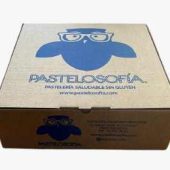
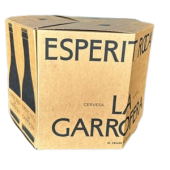
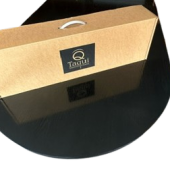
The cardboard boxes manufactured by Fxsanmartí are a clear example of eco-packing.

Cardboard boxes are manufactured from recycled material and have a life cycle of up to 25 uses. Manufacturing processes are optimized for each product to save raw materials and reduce paper waste. The energy costs and carbon footprint arising from manufacturing processes are minimal thanks to our energy self-sufficiency. At FXSanmartí, we are very proud to have taken this step, which allows us to continue offering more competitive prices while helping improve the planet's health.
Why use eco-friendly packaging?
Choosing organic packaging is a step towards reducing plastic waste.
The environmental effects of single-use plastics do not begin or end with waste treatment. It's just the end of the whole process that most consumers know. It's important know that certain types of packaging can cause a serious impact on the environment at each stage of its productionfrom the supply of raw material, manufacture, transport, purpose and to disposal.
Without action, this plastic contamination can threaten our marine fauna and pollute our food chain.
Switching to organic packaging is the most viable solution to minimize the problem. As plastic pollution is growing at an alarming rate, industries should reduce, if not completely eliminate, the use of plastic in the packaging of their products.
So why use organic packaging?
Organic packaging is beneficial for businesses, customers and the environment.
- It is safe and healthy for everyone throughout its life cycle.
- They're made of materials that don't produce chemicals when they break down.
- They are manufactured, transported and recycled using renewable energy.
- Sustainable packaging exceeds market criteria in terms of cost and performance.
- Organic packaging is physically designed to optimize energy costs.
- Optimises the use of recycled materials or renewable sources.
- Organic packaging is manufactured using clean production technologies and ethical practices.
- They are recovered in closed biological and/or industrial cycles.
Adopting an ecological mindset and translating it into the design of your packaging can be a differential for your brand. One study reveals that organic packaging can help brand owners increase their sales by up to 4%. Thanks to the growing number of consumers (especially millennials) who want to invest in businesses with an explicit concern for the environment.
Consumers value organic packaging as part of the product experience.
Objectives
Organic packaging solutions aim to:
- Reduce the amount of product packaging.
- Promote the use of renewable/reusable materials.
- Reduce packaging-related costs.
- Reduce the emission of chemical elements in the atmosphere with its decomposition, thus reducing the carbon footprint.
- Remove the use of toxic materials in all production processes.
- Provide options for easily recycle the packaging used.
Which packaging materials are best for the environment?
There are many alternative organic packaging solutions that are biodegradable and recyclable. The following are the most common examples of packaging that decompose naturally:
- Paper: is an excellent packaging option as it is reusable, recyclable, biodegradable and can be used for any purpose. Most of the paper packaging we see every day is made of recycled paper.
- Carton: Due to its sturdy shape, cardboard is another excellent alternative for packaging. Cardboard that is not laminated is easily broken down.
- Bagasse paper: This packaging material is made of juice extracted from the sugar cane fiber pulp. Bagasse paper is commonly used to replace traditional paper packaging in food.
There are also packaging elements that can be recycled as the new biodegradable plastic. However, even if they do not cause damage to the environment, the supply of raw materials used to produce these items still requires a significant amount of energy.

Packaging design and material
The design of your packaging is as essential as the product it contains.
Of course, ecological material is not all there is in a large packaging: a significant part belongs to the design. An effective design makes your product stand out from the competition and arouses the interest of its future customers.
For physical companies, packaging design is crucial, as it will lead to a potential customer's initial interaction with their product. People who will see and learn about your product for the first time will form their first impression depending on the appearance of your packaging.
And this is where the brand identity does its magic. It should be powerful enough to connect with customers and get their attention. Developing a unique brand identity is vital to communicate your story and capture the loyalty of your consumers.
Design a packaging that is healthy for your brand and the environment.

Reasons why packaging design is beneficial for the success of your product:
– Attraction of the customer: an impressive packaging attracts a potential customer to choose their shelf product and take it home. He wants his packaging to hook people up and arouse curiosity about the product and its brand.
– Mark: a color palette, logo and appropriate design brand executed on your packaging create the identity of your brand. Your packaging must show prominently the colors, fonts and trademarks of your company to create a bold brand statement.
– Utility: the well thought out packaging has its own function and purpose. A functional packaging protects your product and facilitates shipping, collection and storage. In addition, if your packaging shows a useful function for your customer, then it becomes as valuable as your product.
– Information: your packaging is the tool to communicate information about your product. You must design your packaging so that it contains all the information your customers need to know before buying.