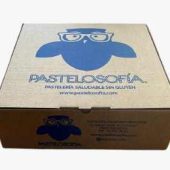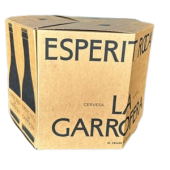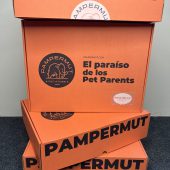

One of the problems of recycling paper and cardboard is the loss of quality with each process. To be able to recycle it is necessary to add chemicals, such as starch, mechanical refining processes, with the consequent energy cost, or to add virgin fiber.
In search of a solution to this problem, several research projects at the University of Córdoba are studying the paper and cardboard recycling process. The research team led by Alejandro Rodríguez Pascual, Professor of Chemical Engineering, has developed projects focused on analysing lignocellulosic waste for inclusion in the recycling production cycle. The study showed that adding these fibres during the paper and cardboard recycling process may be a viable alternative.
Agricultural activity generates large quantities of waste and seeks proposals that allow it to be included in the production cycle.
The studies showed that by treating these residues with ultrasound, paper pulp and other by-products can be obtained with minimal environmental impact. The next step will be the development of an environmental analysis of the technique applied to the production of paper pulp, from annual crops and their residues.
Lignocellulosic residues such as orange pruning and tomato, pepper and aubergine horticultural residues, and their application in the paper and cardboard recycling process, are the line of work, with the production of cellulose nanofibres useful for the manufacture of paper pulp, raw material of the corrugated cardboard and cardboard boxes.
The aim of these studies is to recover the waste generated by the agricultural sector, while increasing recycling and improving the use of this waste.
The impacts of these projects are aimed at contributing to the search for and implementation of sustainable production techniques with the use of organic waste generated in large quantities in agricultural production centers.