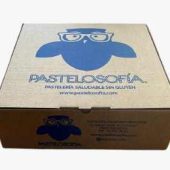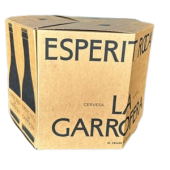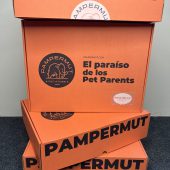

Last June 2020, the Council of Ministers of the Spanish government put into effect the preliminary draft of the new Waste and Contaminated Soils Act. This law, which forms a block with the Spanish Strategy of Circular Economy until 2030 (EEEC) "Spain Circular 2030", will contemplate several aspects that seek to drastically reduce the volume of non-recyclable waste generated in economic activity
With these initiatives, the reduction to 2030 is estimated at 15%
One of the most striking aspects is the establishment of a tax on the manufacture, import or intra-Community acquisition of plastic packaging not reusable for all products that want to be marketed in Spain. Tax collection could represent revenues for public coffers of 724 million euros, according to government estimates.
Waste and Contaminated Land Act
Article 1. Object. The purpose of this Act is to regulate the waste management promoting measures to prevent their generation and mitigate adverse impacts on human health and the environment associated with their generation and management, improving resource efficiency.
This tax will amount to one competitive advantage for sustainable material such as paper and cardboard, which stands as the main beneficiary of the new legal package by having a long way to go in sustainability and recycling.

Corrugated cardboard and COVID-19
Another important challenge for the corrugated cardboard industry is the crisis caused by Covid-19. Its versatility and ability to offer a wide range of solutions for industry and society have led to new products in our sector, such as cardboard dividers to ensure separation at workstations; disposable boxes and trays for delivering medical supplies, food or essential goods to soup kitchens, hospitals or care homes for older people; wastepaper bins, side tables, trunks, shelves for storing clothing or personal belongings, and partition panels in the field hospitals created to respond at the worst moments of the crisis, such as the one at Ifema in Madrid.
The corrugated cardboard is a renewable material and ensures proper hygiene for the prevention of new contagion.
For corrugated cardboard manufacturers, Covid-19 is bringing ups and downs to the industry. On the one hand, demand has increased in essential sectors such as food, household products, hygiene and pharmaceuticals. Similarly, lockdown has created a boom in e-commerce sales, driving up shipments, which generally use corrugated cardboard boxes as their preferred packaging material. On the other hand, the shutdown of industrial and commercial activity has severely affected producers whose business focuses on sectors such as automotive or hospitality.